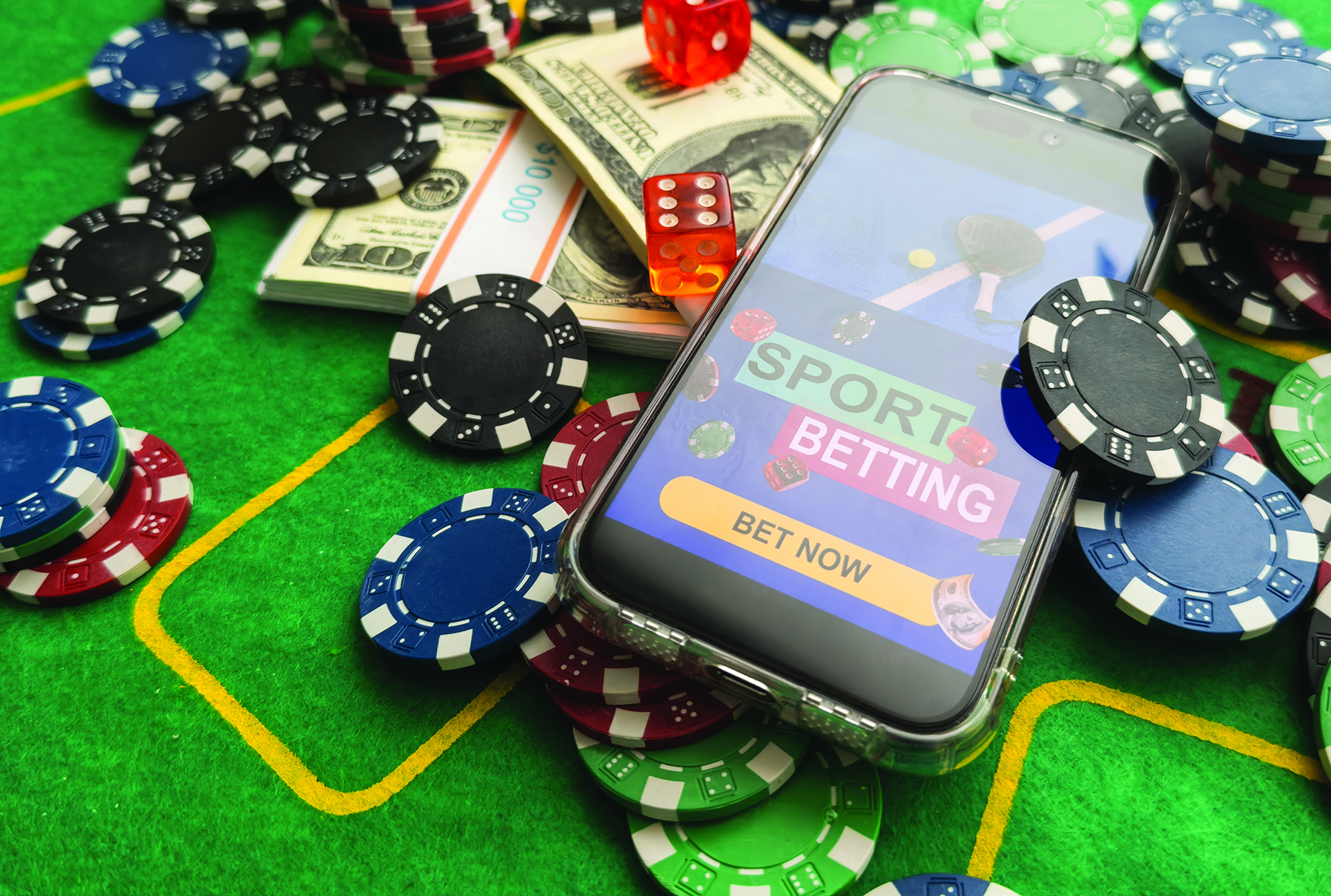
Gambling is now almost instantaneous, woven into everyday life in a way that is accelerating addiction. People can place bets in seconds — often just a few taps on a phone. “It’s become normalized,” said Stacey Marowitz, Director of Substance Use Services at NewBridge Services.
Opportunities to wager extend to micro-bets on individual plays in sports and geopolitical events, including elections. During a single sporting event, people can place hundreds of wagers. Dozens of betting apps compete for users. Gambling elements are embedded in video games played by schoolchildren.
Gambling seems “not just acceptable but encouraged,” Marowitz said. A 2023 Rutgers University study found that 5.6% of New Jersey adults meet criteria for high-risk problem gambling — roughly three times the national average — but Marowitz said the true scope is likely higher because “it’s such an easily hidden addiction.”
As gambling grows more pervasive, NewBridge Services is expanding its treatment and prevention efforts. In January, the nonprofit hired gambling clinician Marc Rappin to provide individual, family and group counseling. He will also help educate the public about problem gambling. Four NewBridge clinicians are specially trained to treat gambling disorders.
The Hidden Impact of Problem Gambling
Problem gambling too often goes unrecognized — until a person is in deep.
“They seek treatment only once they experience serious financial strain,” Marowitz said. Often, that is also when family members become aware.
Gambling is widely viewed as entertainment rather than a mental health concern, a perception that can delay recognition of risk, Rappin said. “For the most part, if it hadn’t cost them a lot of money, they wouldn’t think it was a problem,” he said.
The secrecy surrounding gambling can compound the harm. “They’re hiding their behavior from the people closest to them… and that both physically and emotionally isolates you,” Rappin said.
Depression is often what clinicians must address first, Marowitz said. She compared the impact on families to the betrayal that follows an affair — secrecy, deception and broken trust that can take years to rebuild.
“There are often lies, manipulation, and the cover-up,” she said. “You shattered your relationship and your family, and now you’ve got to pick up the pieces.”
Problem gambling is often intertwined with other challenges in a person’s life. Some individuals use it to cope with stress, dissatisfaction, or relationship conflict. Others are drawn to the excitement or to a competitive drive that may once have been satisfied by playing sports.
How Treatment Helps Individuals and Families Recover
At NewBridge, treatment focuses on identifying those underlying forces and developing healthier alternatives, including coping strategies and awareness of triggers, Marowitz said. Family members can participate in sessions and also receive counseling to address the financial strain and emotional impact they have experienced. Even if a person who is gambling is not ready for treatment, relatives are encouraged to seek support.
Gambling problems often occur alongside other mental health or substance use conditions, Marowitz said, making integrated treatment important. When appropriate, care may also involve a psychiatrist to prescribe medications.
She explained that gambling is “reaching younger ages — some kids as young as 10 are gambling.”
Children are being exposed to gambling-style mechanics across gaming and online platforms, which can normalize the thrill-and-reward cycle that drives gambling. For example, many video games have features such as “loot boxes,” where players pay a small fee for a reward without knowing what they will receive.
The growth of competitive gaming, or e-sports — now offered as clubs in some high schools and as college programs — has also introduced new pathways for exposure. A 2025 study in the Journal of Gambling Studies found collegiate esports athletes showed higher rates of problem gambling than other student groups.
March is Problem Gambling Awareness Month, a national effort to increase understanding of gambling-related harm and promote early intervention. The most important message is that help is available, and that uncertainty itself can be a reason to reach out, Marowitz said.
“If you’re even suspecting that you may have a problem, that tells me that you need support,” Marowitz said. “It doesn’t have to be a full-blown gambling addiction for us to help.”
People seeking help for themselves or a family member can contact NewBridge Services at 973-316-9333 or services@NewBridge.org. The confidential 1-800-GAMBLER hotline is also available for information and support.
###