NewBridge Services’ gambling addiction specialist explains problem gambling and recovery
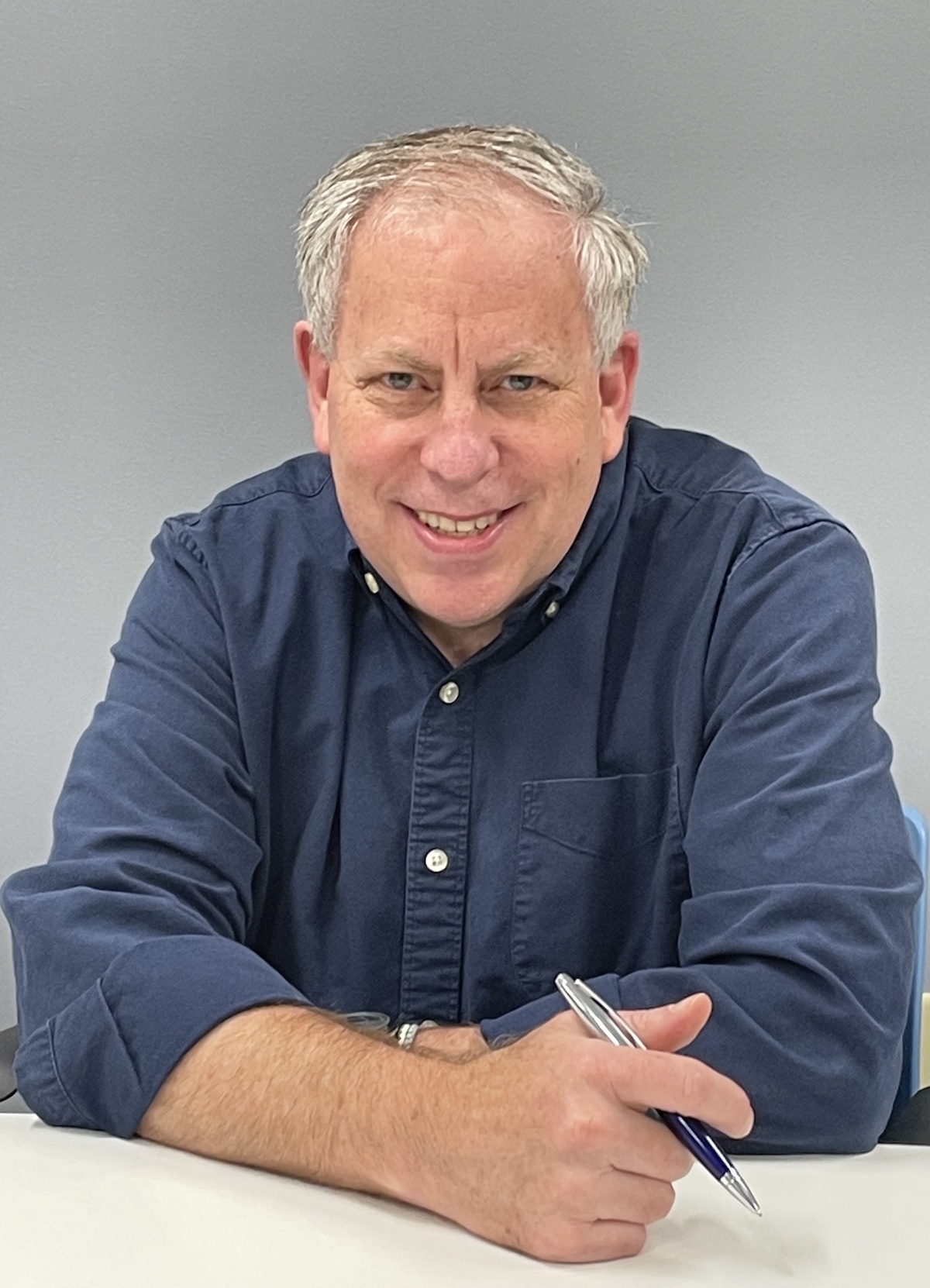
NewBridge Services addiction clinician Marc Rappin often hears the same logic repeated by people whose gambling has escalated.
“Gambling is unique in that the addict, for the most part, thinks that if they double down on their addiction, it’s going to help them get out of it,” Rappin said.
Rappin joined NewBridge in January to expand its efforts to treat gambling addiction, a growing problem as technologies make betting easier to do and harder to detect.
While problem gambling is a behavioral addiction, it operates neurologically in the same way as substance addiction, Rappin explained. “If I showed you the brain scan of a heroin addict and the brain scan of a gambling addict, you wouldn’t know which was which,” he said.
Experience on Both Sides of Addiction
Rappin’s approach to gambling addiction treatment reflects both clinical training and firsthand experience with addiction and recovery — a perspective that informs how he works with people at different stages of readiness for help. He struggled with substance use for eight years before entering treatment 14 years ago.
“You’re talking to somebody that’s been on all sides,” Rappin said. “I’ve been an addict, I’ve been in recovery and I am now a counselor.”
Rappin spent more than 30 years working in marketing and advertising and volunteered as a 12-step sponsor before changing careers. He earned his master’s degree in addiction counseling in December 2021.
Because problem gambling doesn’t involve a substance, Rappin said it is often not viewed as an addiction.
That misunderstanding affects how individuals interpret what’s happening and how loved ones respond. With a substance addiction, the drug itself often takes a share of the blame. Gambling addiction, by contrast, is more likely to be blamed on the individual — contributing to shame, secrecy and a belief that there is no way out. The risk of suicide is higher than for substance addiction, he noted.
Support for Families Affected by Gambling
Gambling addiction can also be harder for families to detect, Rappin said. Much of today’s gambling takes place quietly on phones or computers.
“So much of it happens on that little device that you’re carrying in your back pocket,” Rappin said. In households where finances are kept separate, mounting losses may go unnoticed until the consequences are severe.
That toll on families is often what brings people to NewBridge, Rappin said. Even when the person gambling is not ready for treatment, counseling can help family members process the emotional impact of the addiction, set boundaries and make decisions that protect their own well-being. Support may also include referrals to legal or financial resources to help families safeguard shared assets and limit further losses.
Recovery is a process of ongoing management. People often feel better long before their brains heal — a mismatch that can increase the risk of relapse. Sustaining recovery often involves building enjoyable activities into life. For Rappin, that has meant long-distance cycling, a passion he developed during recovery and continues to enjoy.
###