

If you’re prone to the winter blues, the season beginning on Saturday certainly won’t feel like the most wonderful time of the year. Short, cold days are challenging for anyone whose mood tends to plummet with the thermometer. That is especially true for people who have the more serious Seasonal Affective Disorder (SAD), a form of depression.
NewBridge Services offers effective winter coping strategies to manage the winter blues and SAD, and information to help you understand these seasonal mood changes to maintain mental wellness during the colder months.
Understanding Winter Blues and SAD
The winter blues refers to mild, short-term feelings of sadness or low energy that typically begin in late fall or early winter and dissipate with the arrival of spring. A Healthy Minds Monthly Poll by the American Psychiatric Association conducted in October found that 42% of respondents said they experience mood declines in winter.
SAD is a more serious condition, far beyond feeling “down.” SAD interferes with daily functioning, impacting energy levels, sleep, and appetite. SAD affects about 5% of the U.S. adult population in a given year, and women are far more likely to experience it. Its prevalence is greater in higher latitudes, according to Mental Health America.
The Role of Serotonin and Melatonin
Seasonal mood changes are linked to variations in serotonin and melatonin levels, according to the National Institute of Mental Health (NIMH). Reduced sunlight in fall and winter may cause a drop in serotonin, a brain chemical affecting mood, which can trigger depression. The change in season can also disrupt the body’s melatonin production, which plays a role in sleep patterns.
Recognizing SAD Symptoms
- Feeling depressed most of the day, nearly every day
- Losing interest in activities once enjoyed
- Experiencing changes in appetite or weight
- Having sleep issues
- Feeling sluggish or agitated
- Having low energy
- Feeling hopeless or worthless
- Having difficulty concentrating
- Having frequent thoughts of death or suicide
To be diagnosed with SAD, an individual must have experienced depressive episodes during the season for two or more years in a row. The depressive episodes that occur during the season have to be more frequent than episodes that occur other times of the year, according to the NIMH. Summer-pattern SAD also occurs, but affects fewer people.
Coping Strategies and Treatment
Techniques that have kept people grounded through all sorts of traumas can be used to cope with winter. The Serenity Prayer reminds us that we cannot control everything. Take action when you can, and be patient when you cannot. The key is taking life a day, an hour, a minute at a time.
If you’re experiencing symptoms of winter blues or SAD, try some of these strategies to help manage your mental wellness.
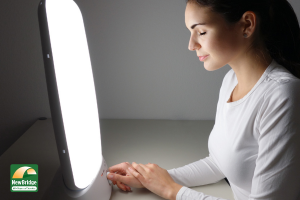
- Light therapy: The use of a light box can be an effective form of treatment for SAD. Experts suggest using a light box that provides 10,000 lux of fluorescent light for about 30 each morning.
- Get more sunlight: Spend time outdoors, even on cloudy days, to help regulate your internal clock.
- Get proper sleep. Go to bed and rise at the same time each day to help get your circadian rhythm on track.
- Engage in physical activity: Exercise is a powerful tool to relieve stress and combat symptoms of depression.
- Eat balanced meals. Go for lean proteins, vegetables, unprocessed foods and complex carbohydrates. Junk food may lure you, but it won’t give you sustainable energy.
- Stay connected: Maintain social connections with loved ones, friends, and support networks. If bad weather keeps you inside, call someone who brightens your mood.
- Volunteer. It’s good for your well-being as well as the people you help. Look for opportunities through houses of worship and nonprofits.
- Practice gratitude. Acknowledge at least three good things each day, either aloud or in a journal. It can shift your perspective and make you feel lighter.
- Meditate. It can be as simple as sitting quietly and breathing deeply a few minutes at a time, or doing guided meditations. Give this one a try for winter self-care.
- Consider professional help: If your symptoms are severe or persistent, it’s important to consult healthcare provider. They can help determine if you have SAD and suggest appropriate treatments, which may include light therapy, cognitive behavioral therapy and/or antidepressants.
These winter coping strategies can help you navigate the season with greater ease and maintain your mental health. If you’re struggling, don’t hesitate to reach out for help. The 988 Suicide and Crisis Lifeline is available 24/7 for anyone in crisis.
By understanding the nature of winter blues and SAD, recognizing the symptoms, and taking proactive steps to manage your mental health, you can work towards maintaining your well-being throughout the changing seasons. If you suspect you may have SAD, contact NewBridge Services at (973) 316-9333 or online.